
Farmer Managed Natural Regeneration(FMNR): Restoring Land and Livelihoods in Kasulu
Healing Earth, Healing People
Project Impact at a Glance
Project Location:
Location: Kasulu District, Tanzania
Project Started: November 2019
Project Ended: October 2021
Direct Beneficiaries: 300 smallholder farmers (men and women, aged 20-45)
Indirect Beneficiaries: Over 1,200 community members through knowledge transfer
Core Methodology: Farmer Managed Natural Regeneration (FMNR)
Total Grants: 20,000 EUR
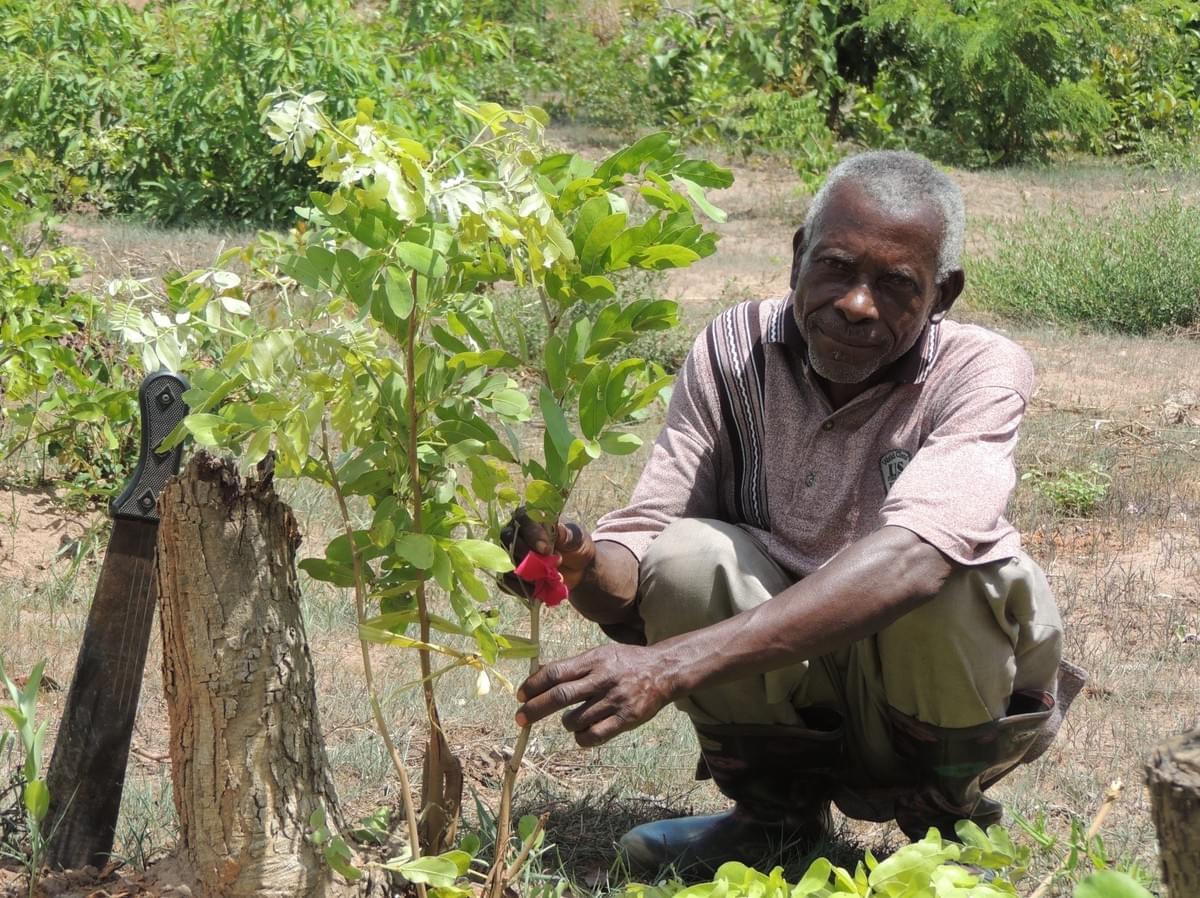
A completed project that harnessed the power of existing root systems to combat deforestation and poverty in Kasulu District.
For over 80% of Tanzania’s rural population, agriculture was the foundation of life. But in the Kasulu District, that foundation was crumbling. Rampant deforestation for charcoal, timber, and farmland expansion, combined with unsustainable farming and overgrazing, had led to a severe landscape crisis: depleted soils, eroded lands, and deepening food insecurity. Many smallholders had little knowledge of environmental protection or regenerative agriculture, and trees were continuously felled, creating a vicious cycle of degradation. For women and girls, this environmental decline posed a direct threat, forcing them to walk ever-greater distances for firewood, exposing them to risks of gender-based violence and wild animals.
The Farmer Managed Natural Regeneration (FMNR) Project offered a path forward, not just to halt this decline, but to reverse it. From 2019 to 2021, this initiative, funded by Stiftung Entwicklungs-Zusammnarbeit (SEZ) and International Aid Services (IAS) Germany e.V. One More Salary Tanzania, implemented a project empowered 150 smallholder farmers to become frontline restoration agents using one remarkably simple and cost-effective technique.
Harnessing the Underground Forest
Unlike conventional reforestation projects that focus on planting new seedlings, FMNR unlocked the hidden potential already lying beneath the soil. The World Agroforestry Center described FMNR in 2017 as a "fast, inexpensive, sustainable, and easy-to-use rehabilitation technique." The method rested on three core practices:
- Selection: Farmers identified and selected the most suitable tree stumps and shoots from indigenous species already present on their land.
- Pruning and Protection: They cut back unwanted shoots and protected the chosen ones from animals, fires, and competing vegetation.
- Ongoing Care: Occasional follow-up pruning ensured the strongest stems could thrive.
Because these stumps already possessed deep, established root systems, the regeneration was remarkably rapid. The trees, depending on the species, delivered multiple benefits even as they grew: increasing the organic layer of the soil to restore fertility, reducing erosion from water and wind, regulating soil temperature, and providing a sustainable supply of firewood, animal fodder, and even food.
From Awareness to Ownership: Key Activities
The project’s lasting impact was built on a clear sequence of activities that moved communities from awareness to mastery:
1. Public Awareness Events: The project began with community screenings of an FMNR film and reports from previous initiatives, awakening villagers to the possibility of restoring their land without expensive external inputs.
2. An Intensive Training: A week training courses taught smallholders the principles of FMNR, alongside the basics of sustainable agriculture and local product marketing to ensure both ecological and economic benefits.
3. Follow-Up Visits: A series of field visits brought project staff directly to the farmers’ lands to deepen the application of what was learned, troubleshoot challenges, and monitor successes in real time.
Measuring What Mattered
At the end of the project, impact was assessed against clear, observable criteria:
• Trained farmers possessed FMNR knowledge and skills that they were actively sharing with others, both inside and outside their communities.
• Joint agreements on tree and land management were established through community statutes.
• Systematic pruning and cultivation of native trees and shrubs were clearly visible during field inspections.
• A general increase in tree and shrub cover and biomass was evident throughout the landscape.
• First improvements in ecological functionality translated into tangible human well-being both economic and social.
An external evaluation at the project’s close verified these achievements.
A Lasting Legacy
The project’s design ensured its benefits would outlive its timeline. In consultation with local community development officers and agricultural officers, FMNR associations were established to guarantee the continuation of learned practices. One More Salary Tanzania committed to offering these associations ongoing advice and support beyond the project’s end, with financial backing from IAS Germany e.V. where necessary.
A Direct Contribution to Global Goals
This project was a direct, practical response to the UN Sustainable Development Goals: promoting Zero Hunger (SDG 2) through improved food security, Responsible Consumption and Production (SDG 12) through sustainable land use, and Life on Land (SDG 15) by protecting and restoring terrestrial ecosystems. By binding CO2 and creating a natural buffer against climate change phenomena drought, floods, and rising temperatures the regenerated trees strengthened the resilience of the entire community.
From a landscape of bare, degraded fields to one of renewed abundance this project proved that the most powerful solutions often lie hidden just beneath the surface.
Regenerative Organic Agriculture(ROA): Growing Food, Restoring Soil and Empower Communities
Project at a GlanceLocation: Kanazi Village, Kasulu District, Kigoma, Tanzania
Implementing Organization: ONE MORE SALARY
Funding Partner: Regen Fund
Project Started: April 2021
Project Ended: October 2021
Total Budget: USD $1,500
Direct Beneficiaries: 20 smallholder farmers (10 women, 10 men)
Key Partner: Ministry of Agriculture Training Institute (MATI)-Mubondo
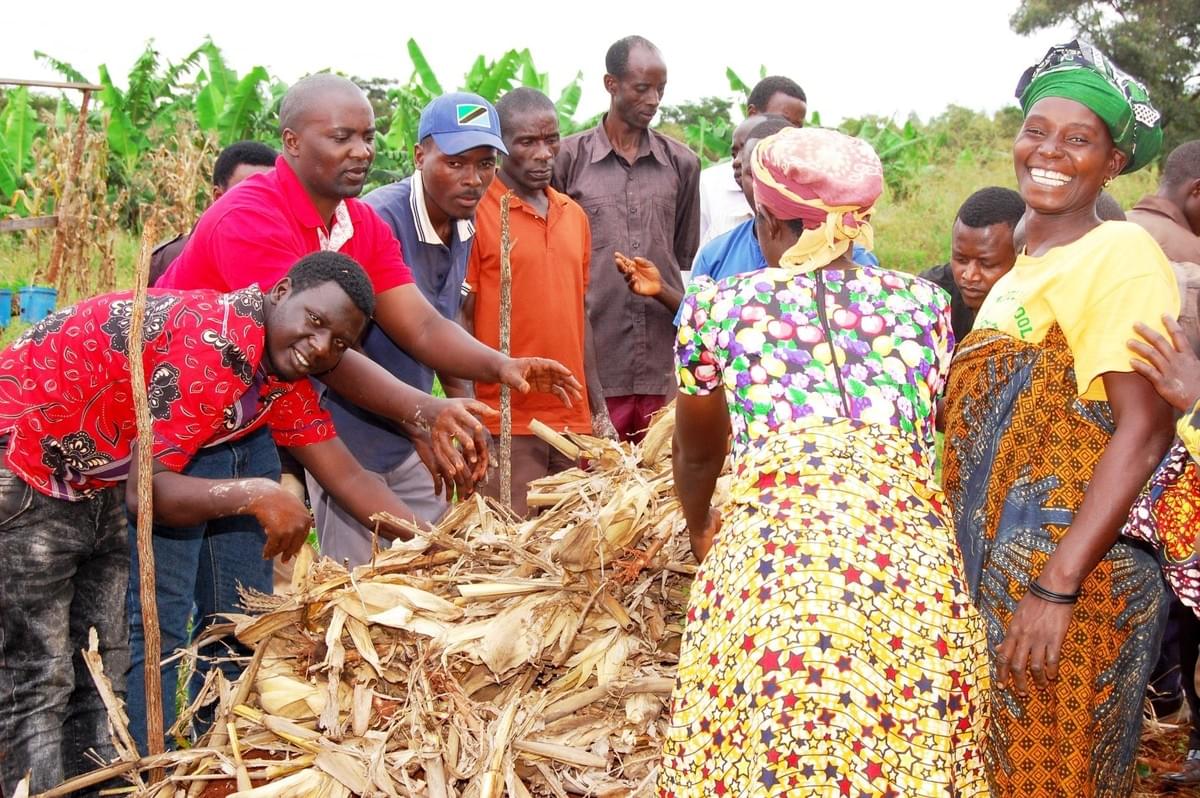
ONE MORE SALARY Tanzania conducted a small but impactful project called Regenerative Organic Agriculture: Growing Food, Restoring Soil, Empowering Communities smallholder farmers in Kanazi village to embrace organic, no-dig, and climate-resilient farming. In Tanzania, agriculture is far more than an economic sector it is the backbone of survival for over 90% of the rural population. Yet in villages like Kanazi in the Kasulu District, smallholder farmers faced a silent crisis. Years of reliance on chemical pesticides and inorganic fertilizers, coupled with a lack of knowledge about sustainable practices, had stripped soils of their fertility. Harvests were dwindling, incomes were falling, and the vital connection between healthy land and healthy communities was fraying.
In 2021, ONE MORE SALARY Tanzania, with generous support from the Regen Fund, launched a practical, hands-on project to turn this tide. Through intensive training in Regenerative Organic Agriculture (ROA), 20 smallholder farmers 10 women and 10 men were equipped not just with new skills, but with a fundamentally new philosophy of working with nature, not against it.
The Philosophy: Regeneration, Not Just Sustainability
The project went beyond simply avoiding chemicals. It introduced a system based on the core tenets of regenerative agriculture, inspired by the principles later articulated by pioneers like Gabe Brown:
- Limit Disturbance: The "no-dig" method meant leaving the soil's vital microbial ecosystem intact, rather than destroying it with tilling.
- Keep the Soil Covered: Heavy mulching with crop residues, straw, and organic matter kept the soil armored, suppressing weeds and retaining precious moisture.
- Diversity is Strength: Farmers learned to plant a wide range of vegetables and integrate composting, creating a resilient system that mimicked nature's collaborative design.
- Keep Living Roots in the Ground: Continuous planting and succession sowing fed the soil biology year-round.
- Feed the Soil, Not the Plant: The heart of the training was compost-making. Farmers transformed kitchen waste, animal manures, and worm castings into rich, living soil that powered vigorous plant growth without a single chemical input.
This approach addressed all three pillars of true sustainability: economic (maintaining cash flow by reducing input costs), social (treating farmers with respect and valuing their knowledge), and environmental (being a careful steward of land, air, and water).
From Training to Tangible Results
The project was structured to move rapidly from theory to practice:
- Community Engagement: The project began in April 2021 by working closely with the Kasulu Town Council Environment Officer and local village leaders to ensure full community buy-in and proper protocols.
- Intensive Hands-On Training: A two-day training was conducted in Kanazi village, with expert facilitation from MATI-Mubondo and the Kasulu Town Council Agriculture and Extension Department.
- Establishing a Demo Farm: At a plot offered by MATI Mubondo, farmers worked together to build innovative raised beds, apply the no-dig method, and plant tomatoes, spinach, kale, and other nutritious vegetables. This became a living classroom.
- Field Visits and Mentorship: Field assistants made regular follow-up visits to support farmers as they replicated what they learned in their own backyard gardens.
Measurable Achievements
The responses from the farming community were overwhelmingly positive. Farmers remarked that the training had arrived at the perfect time, offering a lifeline away from costly and damaging chemical methods.
Concrete results included:
- A Thriving Demo Farm: The project successfully established a demonstration plot at MATI Mubondo, serving as a visible proof of concept for the wider community.
- Mastery of Compost-Making: Farmers acquired the skill to create their own organic compost, eliminating dependence on expensive and harmful external inputs.
- Direct Economic Impact: The first harvests translated directly into income. Farmers collectively earned more than USD $600 from the sale of their organically grown produce, a tangible testament to the economic viability of ROA.
- Replication at Home: Trained farmers began establishing their own regenerative organic demonstration farms in their backyards, ensuring the knowledge spread from the central plot into the heart of the community.
Challenges and Lessons Learned
- Uneven Adoption: Not all farmers immediately established their own plots, with some displaying greater interest in short-term incentives than long-term practice change.
- Recommendation for Collective Action: The project team recommended organizing farmers into a joint task force to sustain momentum and continue implementing ROA practices after the project's end.
- Farmer Demand for Continued Learning: The farmers themselves requested further training on diverse agricultural skills to deepen their capacity for sustainable farming.
A Lasting Seed
The 2021 ROA project was small in scale but profound in its implications. By combining ancient wisdom with modern regenerative science, it proved that even on a tiny plot of land, smallholder farmers restored their soils, grow healthy food, and earn a dignified income, while becoming part of the solution to the climate crisis. For ONE MORE SALARY Tanzania, that year was a foundational step in a continuing journey to scale large regenerative farms, community-led systems across the Kigoma region.
One among the farmer's response that was captured was: “We have left the use of inorganic manure behind. We will practice these new methods from now on.”
