EARTH HEALING ALLIANCE
EARTH HEALING ALLIANCE
Regenerative Organic Agriculture(ROA): Growing Food, Restoring Soil and Empower Communities
A Project ReportLocation: Kanazi Village, Kasulu District, Kigoma, Tanzania
Funding Partner: Regen Fund
Project Started: April 2021
Project Ended: October 2021
Total Budget: USD $1,500
Direct Beneficiaries: 20 smallholder farmers (10 women, 10 men)
Key Partner: Ministry of Agriculture Training Institute (MATI)-Mubondo
A Project Summary
ONE MORE SALARY Tanzania conducted a small but impactful project called Regenerative Organic Agriculture: Growing Food, Restoring Soil, Empowering Communities smallholder farmers in Kanazi village to embrace organic, no-dig, and climate-resilient farming. In Tanzania, agriculture is far more than an economic sector it is the backbone of survival for over 90% of the rural population. Yet in villages like Kanazi in the Kasulu District, smallholder farmers faced a silent crisis. Years of reliance on chemical pesticides and inorganic fertilizers, coupled with a lack of knowledge about sustainable practices, had stripped soils of their fertility. Harvests were dwindling, incomes were falling, and the vital connection between healthy land and healthy communities was fraying.
In 2021, ONE MORE SALARY Tanzania, with generous support from the Regen Fund, launched a practical, hands-on project to turn this tide. Through intensive training in Regenerative Organic Agriculture (ROA), 20 smallholder farmers 10 women and 10 men were equipped not just with new skills, but with a fundamentally new philosophy of working with nature, not against it.
The Philosophy: Regeneration, Not Just Sustainability
The project went beyond simply avoiding chemicals. It introduced a system based on the core tenets of regenerative agriculture, inspired by the principles later articulated by pioneers like Gabe Brown:
- Limit Disturbance: The "no-dig" method meant leaving the soil's vital microbial ecosystem intact, rather than destroying it with tilling.
- Keep the Soil Covered: Heavy mulching with crop residues, straw, and organic matter kept the soil armored, suppressing weeds and retaining precious moisture.
- Diversity is Strength: Farmers learned to plant a wide range of vegetables and integrate composting, creating a resilient system that mimicked nature's collaborative design.
- Keep Living Roots in the Ground: Continuous planting and succession sowing fed the soil biology year-round.
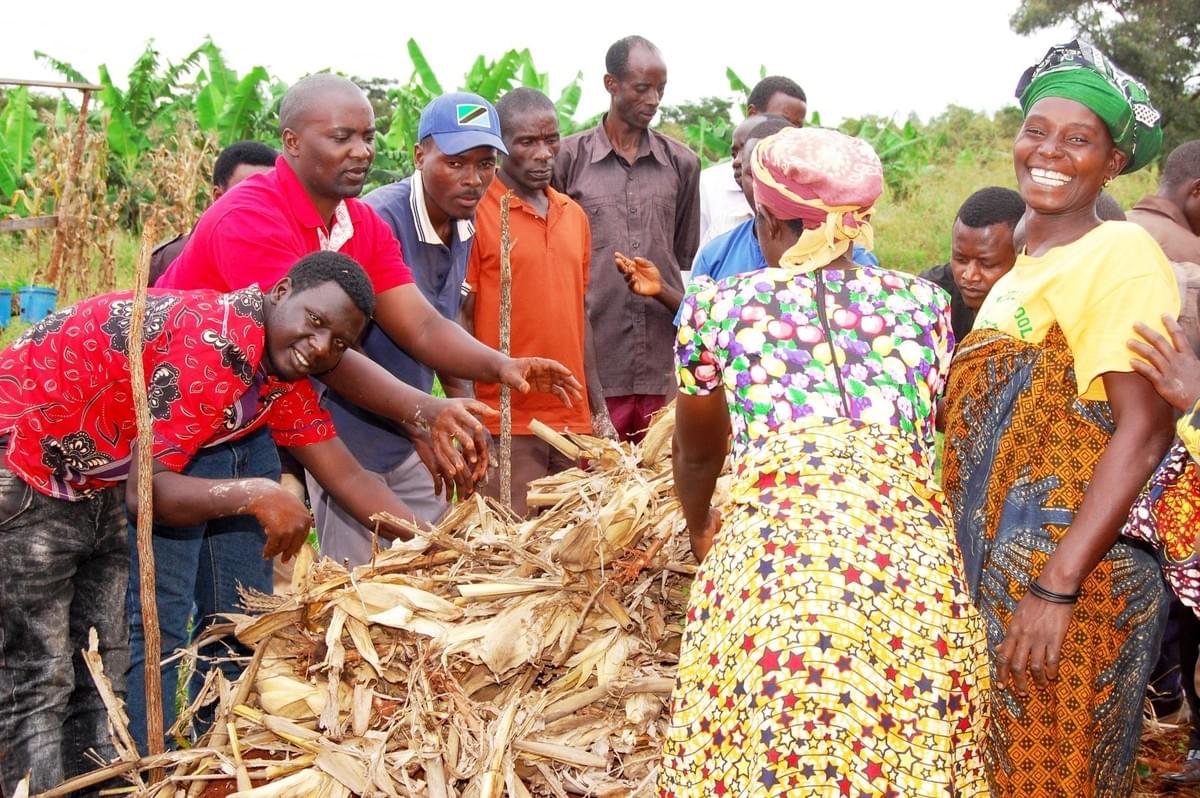
- Feed the Soil, Not the Plant: The heart of the training was compost-making. Farmers transformed kitchen waste, animal manures, and worm castings into rich, living soil that powered vigorous plant growth without a single chemical input.
This approach addressed all three pillars of true sustainability: economic (maintaining cash flow by reducing input costs), social (treating farmers with respect and valuing their knowledge), and environmental (being a careful steward of land, air, and water).
From Training to Tangible Results
The project was structured to move rapidly from theory to practice:
- Community Engagement: The project began in April 2021 by working closely with the Kasulu Town Council Environment Officer and local village leaders to ensure full community buy-in and proper protocols.
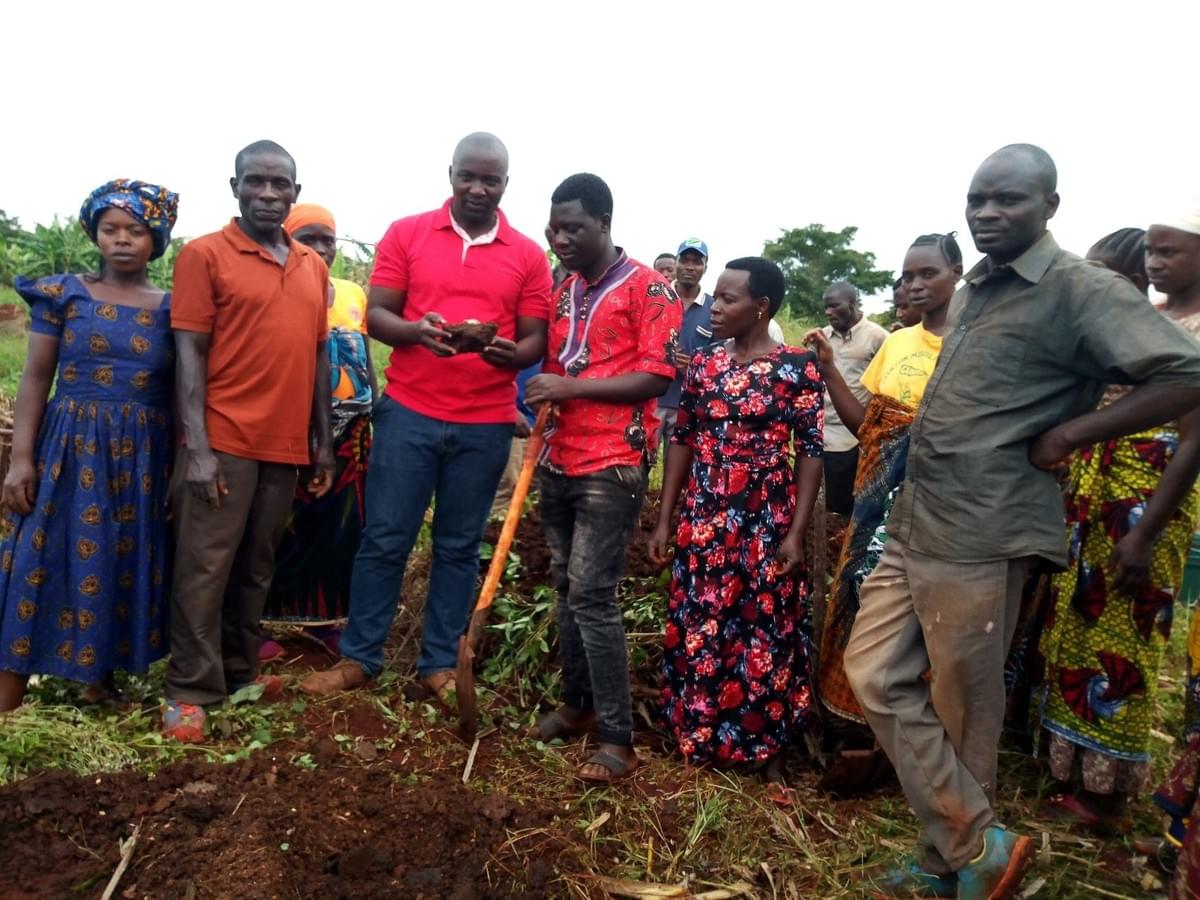
- Intensive Hands-On Training: A two-day training was conducted in Kanazi village, with expert facilitation from MATI-Mubondo and the Kasulu Town Council Agriculture and Extension Department.
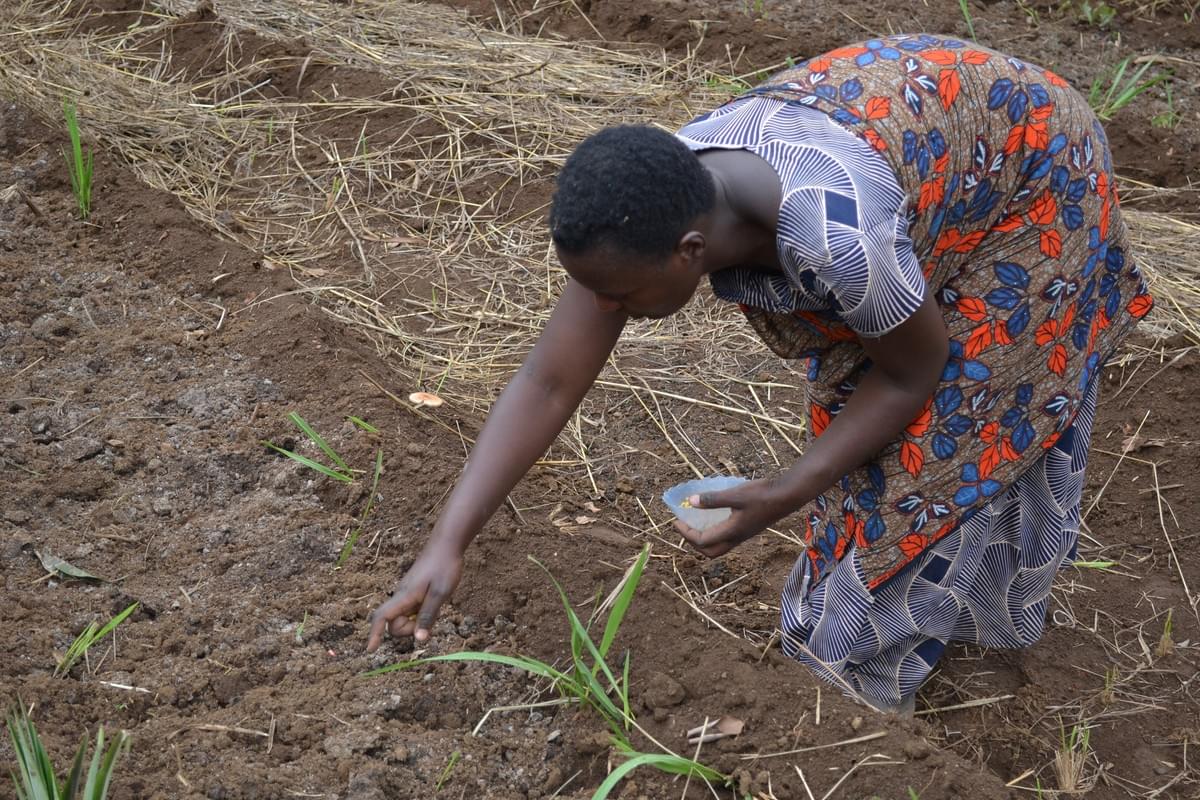
- Establishing a Demo Farm: At a plot offered by MATI Mubondo, farmers worked together to build innovative raised beds, apply the no-dig method, and plant tomatoes, spinach, kale, and other nutritious vegetables. This became a living classroom.
- Field Visits and Mentorship: Field assistants made regular follow-up visits to support farmers as they replicated what they learned in their own backyard gardens.
Measurable Achievements
The responses from the farming community were overwhelmingly positive. Farmers remarked that the training had arrived at the perfect time, offering a lifeline away from costly and damaging chemical methods.
Concrete results included:
- A Thriving Demo Farm: The project successfully established a demonstration plot at MATI Mubondo, serving as a visible proof of concept for the wider community.
- Mastery of Compost-Making: Farmers acquired the skill to create their own organic compost, eliminating dependence on expensive and harmful external inputs.
- Direct Economic Impact: The first harvests translated directly into income. Farmers collectively earned more than USD $600 from the sale of their organically grown produce, a tangible testament to the economic viability of ROA.
- Replication at Home: Trained farmers began establishing their own regenerative organic demonstration farms in their backyards, ensuring the knowledge spread from the central plot into the heart of the community.
Challenges and Lessons Learned
- Uneven Adoption: Not all farmers immediately established their own plots, with some displaying greater interest in short-term incentives than long-term practice change.
- Recommendation for Collective Action: The project team recommended organizing farmers into a joint task force to sustain momentum and continue implementing ROA practices after the project's end.
- Farmer Demand for Continued Learning: The farmers themselves requested further training on diverse agricultural skills to deepen their capacity for sustainable farming.
A Lasting Seed
The 2021 ROA project was small in scale but profound in its implications. By combining ancient wisdom with modern regenerative science, it proved that even on a tiny plot of land, smallholder farmers restored their soils, grow healthy food, and earn a dignified income, while becoming part of the solution to the climate crisis. For ONE MORE SALARY Tanzania, that year was a foundational step in a continuing journey to scale large regenerative farms, community-led systems across the Kigoma region.
One among the farmer's response that was captured was: “We have left the use of inorganic manure behind. We will practice these new methods from now on.”
