

EARTH HEALING ALLIANCE
EARTH HEALING ALLIANCE
Syntropic Agroforestry for Resilient Communities(SAfRC)
A Project Report
Location: Lalambe Village, Kasulu District, Kigoma, Tanzania
Funding Partner: Agroforestry Regeneration Communities
Project Started: April 2021
Project Ended: September 2022
Total Budget: USD $12,000
Direct Beneficiaries: 100 smallholder farmers (72 female, 28 male)
A Project Summary
The Syntropic Agroforestry for Resilient Communities(SAfRC) Project was implemented between March 2021 and September 2022 in Lalambe Village, Kasulu District, Kigoma Region, Tanzania. The initiative was designed to address severe deforestation, soil degradation, declining agricultural productivity, and increasing household vulnerability caused by unsustainable land use practices. Through a highly participatory and community-led approach, the project successfully restored degraded landscapes while improving food security and strengthening local livelihoods. A total of 100 smallholder farmers, including 72 women and 28 men, participated directly in the initiative.
Over the 18 month implementation period, the project achieved the planting of 500,000 indigenous and multipurpose trees across farms, communal lands, and water catchment areas. By the end of the project, approximately 412,000 trees survived, representing a remarkable survival rate of 82.4%.
The project also established a fully functional community nursery and seed bank capable of producing more than 65,000 seedlings annually. Farmers received intensive training in regenerative agroforestry, no dig farming, mulching, composting, water harvesting, and natural soil restoration techniques.
The SAfRC project demonstrated that large-scale ecological restoration and livelihood improvement can be achieved with modest financial resources when communities are empowered, trained, and fully engaged in project ownership.
Background of the Project
Lalambe Village in Kasulu District has experienced significant environmental degradation over the years due to unsustainable agricultural expansion, charcoal production, tobacco curing, and uncontrolled tree harvesting. These activities contributed to declining soil fertility, reduced crop productivity, drying water sources, and increased vulnerability among smallholder farming households. Women and children were particularly affected, often travelling long distances to collect firewood and water while household food insecurity continued to rise.
In response to these challenges, ONE MORE SALARY designed the Syntropic Agroforestry for Resilient Communities (SAFRC) Project as a practical and community-driven restoration initiative. The project aimed to restore degraded ecosystems while simultaneously strengthening local livelihoods through regenerative agroforestry and sustainable land management practices.
The project promoted long-term stewardship of natural resources by combining tree planting, farmer training, community governance, and ecological restoration.
Project Goals and Objectives
Main Goal
To restore degraded forests and agricultural landscapes using Syntropic Agroforestry model while strengthening resilient livelihoods and community-led environmental stewardship.
Specific Objectives
1. To plant 500,000 indigenous and multipurpose trees across farmland, communal forests, and water catchment areas.
2. To train 100 smallholder farmers in Syntropic agroforestry, soil restoration, and sustainable land management.
3. Establish a permanent community nursery and seed bank to support long-term restoration activities.
4. Improve food security and household incomes through diversified Syntropic agroforestry systems.
5. Strengthen community governance and environmental protection structures.
Project Implementation
Community Mobilization and Participatory Planning
The project commenced with village meetings, focus group discussions, and participatory planning sessions involving traditional leaders, women’s groups, youth representatives, and local farmers. Community members collectively identified degraded areas, selected restoration sites, and developed local agreements for land management and protection. This participatory process created strong local ownership and commitment throughout project implementation.
Establishment of Community Nursery
A central village nursery covering approximately 1 hectare was established using locally available materials. The nursery produced indigenous forest trees, fruit trees, fodder species, and nitrogen-fixing agroforestry species including:
• Albizia
• Moringa
• Acacia spp.
• Leucaena
• Calliandra
• Gliricidia
• Grevillea robusta
• Mango
• Avocado
• Papaya
• Guava
Seedlings were raised organically using compost manure, vermicast, and biochar without chemical inputs. At peak production, the nursery contained more than 500,200 healthy seedlings.
Syntropic Agroforestry Training
All 100 participating farmers received intensive practical training on Syntropic agroforestry and agroforestry practices.
Training topics included:
• No-dig farming systems
• Permanent raised beds
• Mulching and cover cropping
• Composting and green manure production
• Water harvesting techniques
• Tree-crop integration
• Soil fertility restoration
• Natural pest management
• Pruning and biomass management
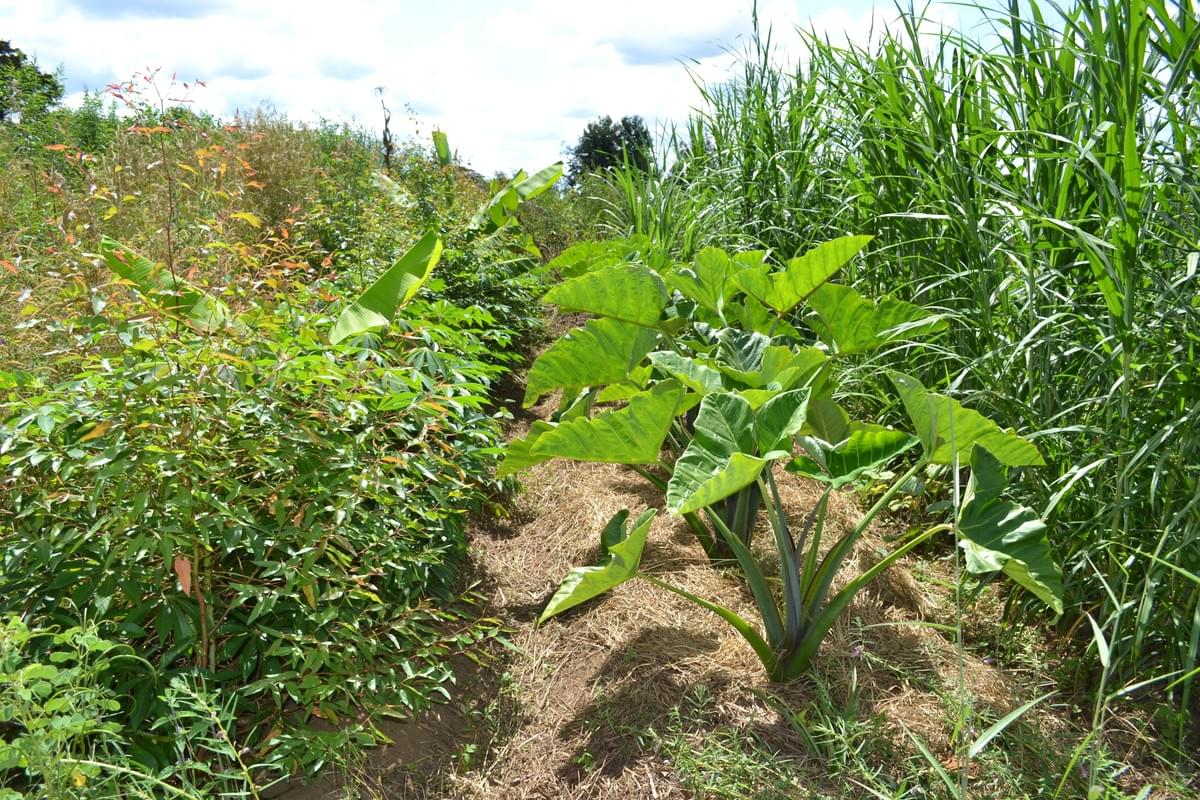
A demonstration farm was established to showcase agroforestry systems and regenerative farming techniques. The site became a community learning center regularly visited by farmers and local leaders.
Mass Tree Planting Campaigns
Two major planting campaigns were conducted during the rainy seasons of:
March – May 2021
October – December 2021
Tree planting activities covered:
• Farm boundaries and contour lines
• Communal woodlots
• Riverbanks and water catchments
• Individual household farms
• Village forest restoration zones
The project restored approximately 1000 hectares of degraded land, including 300 hectares of communal village forest reserve. To ensure tree survival, the community established local protection measures including:
• Firebreak maintenance
• Controlled grazing regulations
• Weekly monitoring schedules
• Community restoration committees
Livelihood and Soil Restoration Support
Participating farmers received essential farming tools including hoes, machetes, and watering cans. The project also distributed seeds for nutrient-rich crops such as:
• High-zinc beans
• Orange-fleshed sweet potatoes
• Leafy vegetables
• Local vegetables
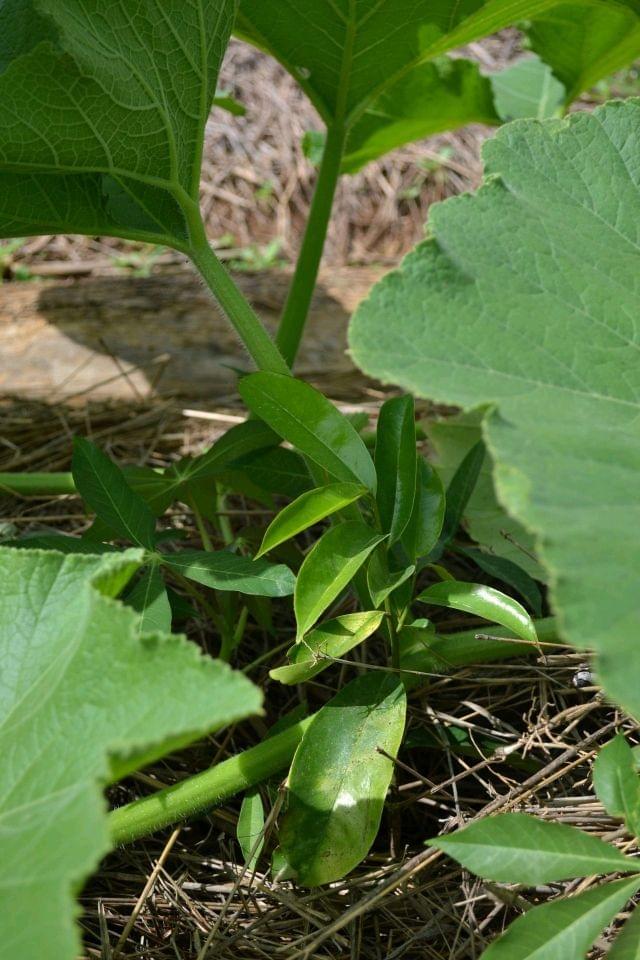
Farmers adopted no-dig farming systems combined with mulching and agroforestry, leading to improved soil structure, moisture retention, and increased crop productivity.
Farmer Capacity and Adoption
The project significantly improved farmer knowledge and adoption of Syntropic agroforestry practices.
Key achievements included:
• 100 farmers adopted at least three regenerative farming practices.
• All participating households integrated trees into their farms.
• 88 farmers adopted mulching and no-dig vegetable production.
• 65 farmers established composting and vermiculture systems.
• Farmers reported improved soil fertility and increased crop yields.
Food Security and Income Improvement
The project contributed significantly to household nutrition and income diversification.
Key outcomes included:
• Households producing diverse vegetables increased from 30% to 85%.
• Farmers generated additional income through vegetable sales.
• Average monthly supplementary income reached approximately USD $30 per month.
• Fruit trees established during the project will provide future nutritional and commercial benefits.
• Agroforestry timber species were integrated into long-term rotational harvesting plans.
Environmental and Community Resilience
The project generated important environmental restoration outcomes including:
• Recovery of three seasonal springs previously dried.
• Improved water infiltration and reduced soil erosion.
• Zero fire incidents recorded in restored communal woodlots.
• Reduced pressure on natural forests.
• Reduced time spent by women collecting fuelwood.
The project also facilitated the establishment of informal registration of the Lalambe Forest Conservation Group consisting of 30 members, with women representing 60% of leadership positions.
The average cost per surviving tree was approximately USD 0.026, demonstrating highly efficient use of project resources.
Challenges Encountered and Lesson Learned
Unpredictable Rainfall: A temporary dry spell threatened young seedlings during early 2022. Community-led watering schedules help.
One participating farmer stated:
“Before this project, my land was just left barely. Now, I have trees, my soil is soft, and I harvest vegetables even when the rains are short.” Hosea Nkolanigwa.
